History of iOS Mobile App Development Services
Initially, iOS app development was limited to desktop computers, as the iPhone SDK was available for Macs. This wasn't a problem for most developers since their primary machines were Macs, but it was a limitation for many people. The launch of Xcode on iPad Pro in 2019 made it possible to develop full-service iOS applications directly on the iOS machine (with an external keyboard and an Apple Pencil connected), which is a big step forward.Key Reasons Why iOS Development is the Future of Mobile Apps
Now that we have briefly discussed the history, let's look at why iOS app development and digital transformation are here to stay.1. Wearable devices and IoT
 The WatchOS platform continues to grow and gain popularity, but the world of IoT is still in its infancy. While we have all the necessary resources to create IoT devices and custom iOS apps, we lack usable devices. The potential of IoT is also limited by its lack of adoption and use.
This is another field where iOS applications can bridge the gap in the adoption of new and innovative product development; as a result, this development area is still up-and-coming and has potential that iOS developers should explore.
The WatchOS platform continues to grow and gain popularity, but the world of IoT is still in its infancy. While we have all the necessary resources to create IoT devices and custom iOS apps, we lack usable devices. The potential of IoT is also limited by its lack of adoption and use.
This is another field where iOS applications can bridge the gap in the adoption of new and innovative product development; as a result, this development area is still up-and-coming and has potential that iOS developers should explore.
2. Security Issues with Android Apps
Several security experts report that Apple has done a great job with iOS security features. However, Apple strictly defines what devices are eligible to run a particular version of iOS. Most Android manufacturers take their time to release updates and have customized Android versions, making it hard for developers to cover all devices. Unlike this, in the case of iOS, the upgrade is distributed only by Apple. This closed environment adds to the security of iOS devices and applications. While Google continues to battle malware in its efforts to secure the Android mobile operating system, iOS has the advantage in this aspect.3. Cross-Platform Development
Most companies have to manage iOS and Android apps regarding cross-platform development. However, many tools, such as Flutter and React Native, support this process. These frameworks provide a unified workflow for a developer when building cross-platform apps. Although apps created this way aren't usually made for iOS, Android is given priority. Therefore, it is recommended to use the native platforms of Apple and Google when developing applications.4. iOS Users Spend More
Another reason iOS development is more rewarding is that iOS users spend more money frequently. According to a survey by AppsFlyer, the average monthly app spend for a paying user is $9.60 for iOS users. In contrast, an Android user's monthly average spending is only $5.20. Another benefit of business apps is that nearly 35% more iOS users spend on business apps.5. User Loyalty
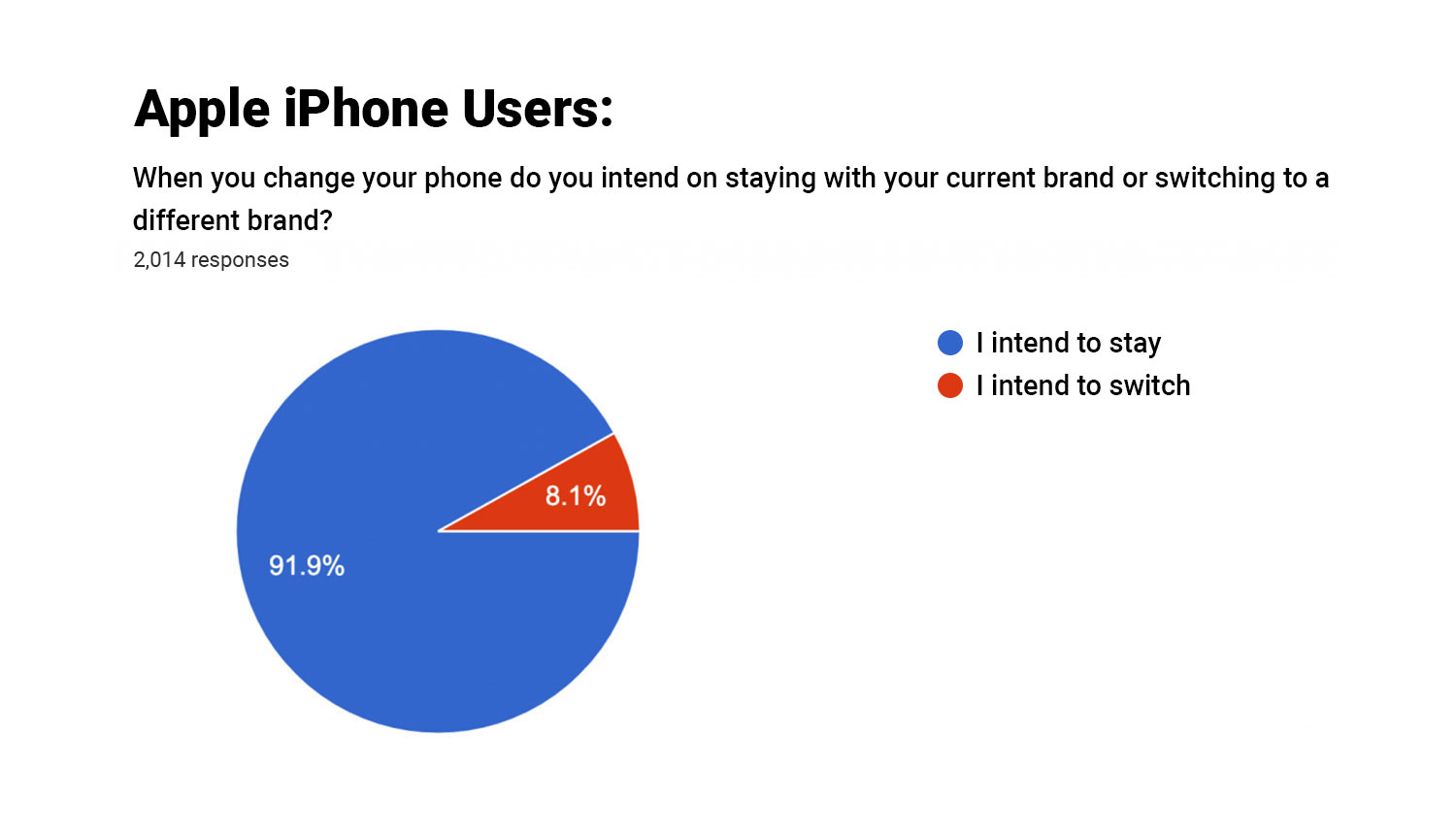 iOS is known for its brand loyalty, and Apple's customers are known for their loyalty and are likelier to stick with the same ecosystem and hardware for long periods.
This reliability translates to more revenue for developers, as each new project only needs to focus on the latest operating system and hardware version. Also, it minimizes the required testing and speeds up the development process.
iOS is known for its brand loyalty, and Apple's customers are known for their loyalty and are likelier to stick with the same ecosystem and hardware for long periods.
This reliability translates to more revenue for developers, as each new project only needs to focus on the latest operating system and hardware version. Also, it minimizes the required testing and speeds up the development process.
6. Ease of development
You will find many options when you want to develop an architecture for your iOS application. And you can consider using one of the standard approaches, such as MVC or MVVM, or you can go further and create a one-way architecture, such as Redux or Flux. Whatever you choose, developing apps for iOS is much easier than for Android or any other mobile platform. Android has a very fragmented market, so mobile app developers will have to test and iterate their apps for multiple devices. Instead, mobile app developers find creating apps for iOS much simpler.7. iOS App Store’s Review Policies
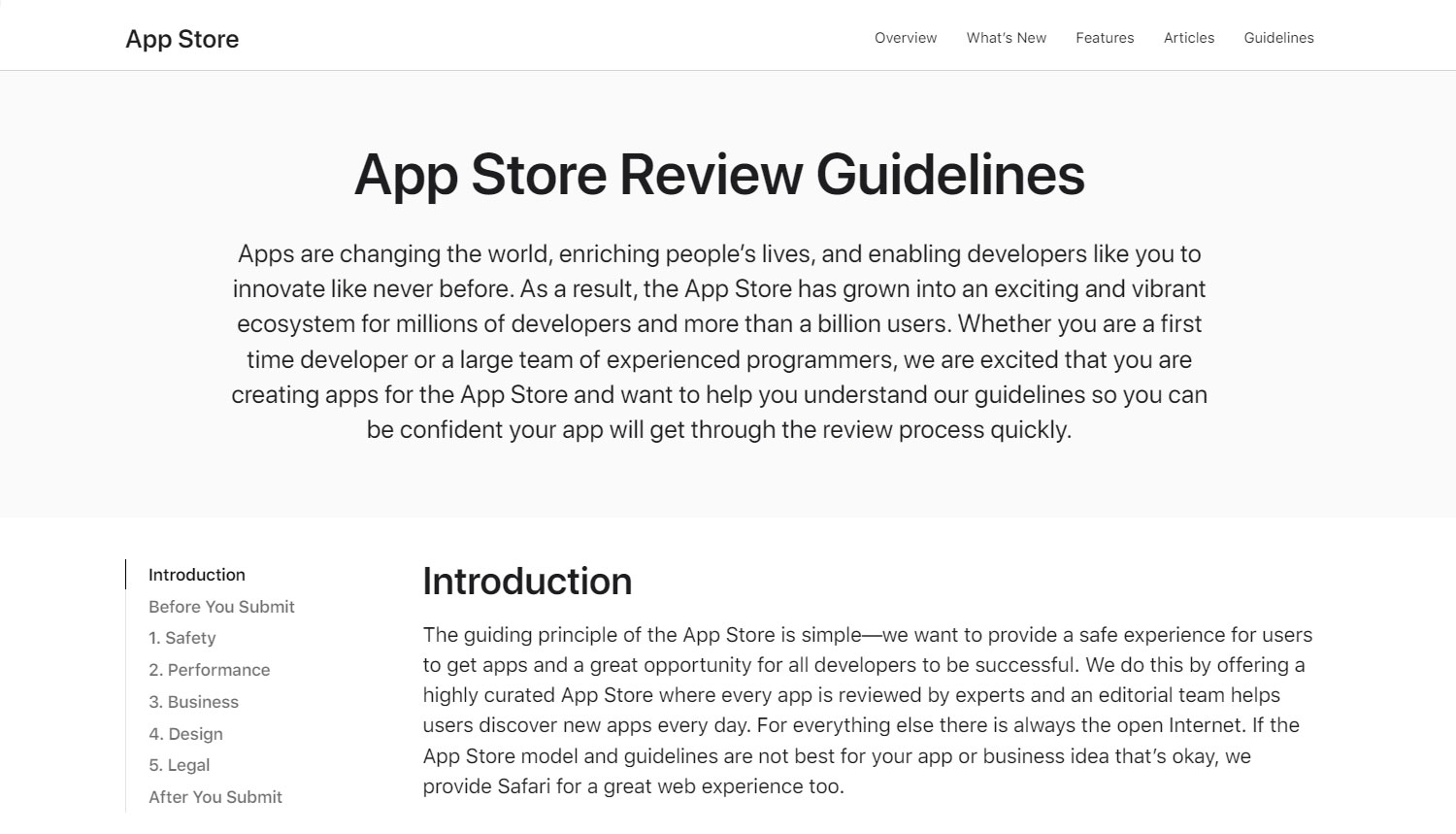 Apple also has a stringent review policy for the iOS App Store, meaning you will not find any spam apps or phishing attacks in the App Store. This is crucial to ensure that iOS users do not get viruses or malware on their devices.
In addition, developers/publishers have to pay a yearly fee to put their apps on the store, and even then, they are subjected to some quality standards; as a result, iOS apps are fast and less buggy.
Apple also has a stringent review policy for the iOS App Store, meaning you will not find any spam apps or phishing attacks in the App Store. This is crucial to ensure that iOS users do not get viruses or malware on their devices.
In addition, developers/publishers have to pay a yearly fee to put their apps on the store, and even then, they are subjected to some quality standards; as a result, iOS apps are fast and less buggy.
8. iOS Is More Prevalent In The Enterprise
One of the main reasons iOS app development is the future of mobile apps is that iOS devices are more prevalent in the enterprise. Companies prefer their employees to use iOS devices over Android because they feel it is more secure.9. Apple Swift
Initially, developers were offered to write applications in Objective C. The Swift programming language appeared in 2014 as an alternative, along with the loss of support for Adobe Flash. Creating iOS apps in Objective C is still possible, but it's almost never a good idea, especially for new project management. With the Swift language, the whole approach to application development has changed. The language is much easier to learn and use, leading more and more people to switch to iOS development.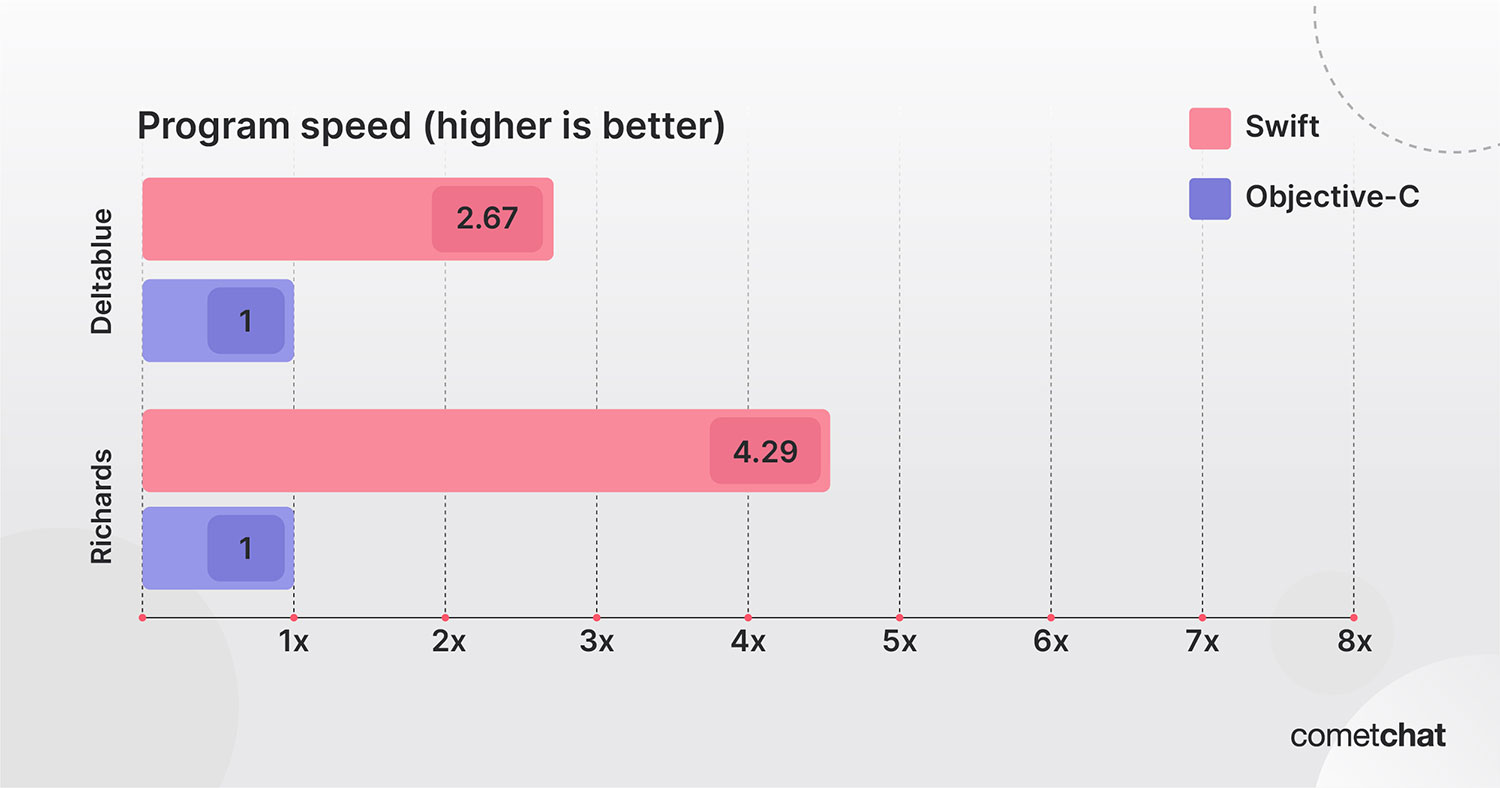 It is a modern language that has several advantages over Objective-C. Here are some benefits Swift offers:
- Automatic memory management
- Improved readability
- Closures are easier to use in Swift
- Easy to build a library and frameworks using Swift because of its open-source nature
- There are options in Swift to use Apple's "Unit Testing" and "Behavior Testing."
- Swift and Objective-C can work together and let developers write iOS and macOS code.
10. Apple
Apple is not giving up in the field of mobile devices, as well as being a leader in desktop computing. The company is also venturing into AR/VR with the recently announced Apple Glasses. Nevertheless, the company's devices need a solid background for their development, and that's when the apps come into play. Apple’s support for developers is one of the critical reasons iOS development is the future of mobile apps. Apple has released a new developer tool: the so-called Developer Transition Kit.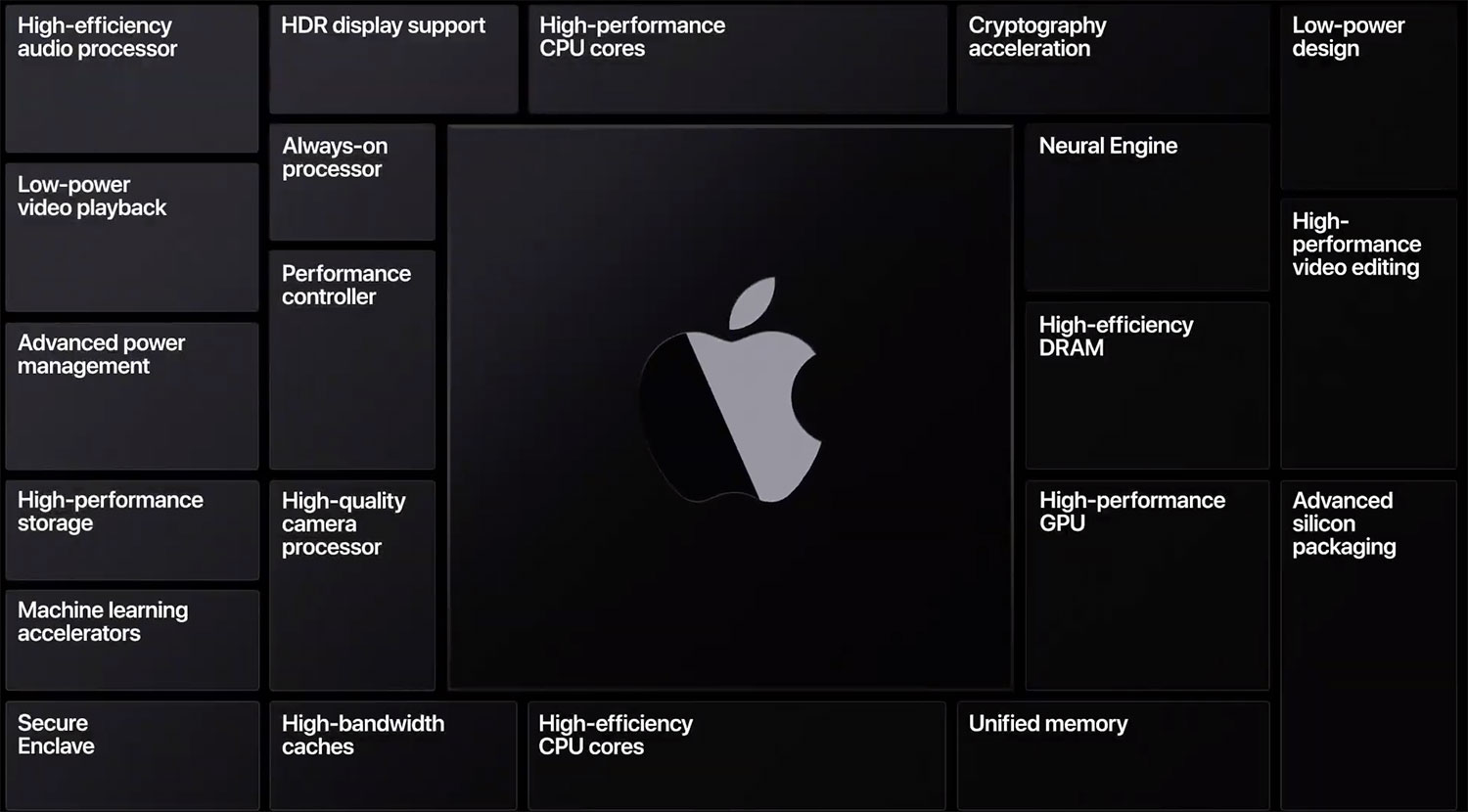 This new kit contains all the features required to build apps for the Mac, which is a part of the "Universal App Quick Start Program.” The program includes full access to beta software and tools required to develop apps, the Developer Transition Kit (DTK), learning resources, technical support, and private forums.