Understanding App Development Cost
Today, technology has taken the front seat in every industry, and mobile apps are playing the most important role in boosting customer engagement. Every sector starting from banking to shopping, transportation, and healthcare, mobile and web apps simplify people’s lives and boost business. With smartphone usage growing rapidly each day, both startups and enterprises are investing heavily in mobile applications.
You are not alone in the race if you are wondering, “How much does app development cost?”. It is one of the most common questions for people considering application development, but most complex to answer. App development differs widely based on the following:
- Features and functionality
- Platform chosen (iOS, Android, or cross-platform)
- App complexity
- Developer location (on-site, remote, hybrid)
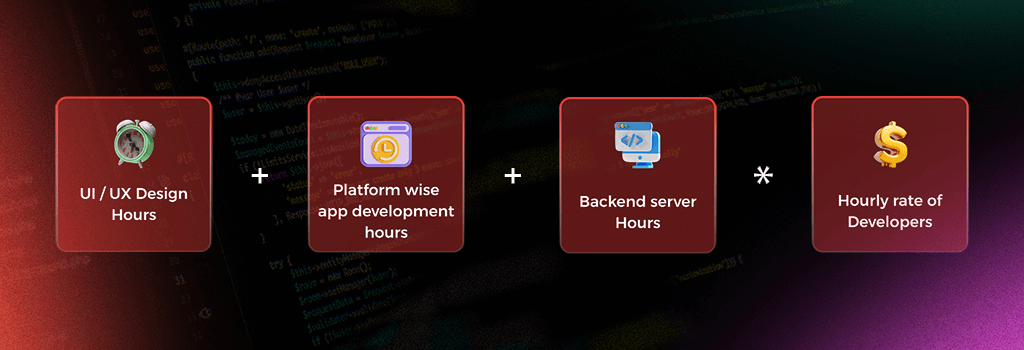
On average, app development costs can range from $150 to $180/hour. However, the app development cost climbs high based on the custom features that you request.
Therefore, in this guide, we will walk you through the key factors that impact app development costs and provide tips to reduce unnecessary spending without compromising quality.
App Development Cost Breakdown
What happens when a client goes for a consultation with an app development company to discuss their app idea? They have no idea about what to expect from the app development process, or the cost as well. Surely, they must have specified their requirements and desired functionalities, but that is not enough to create a fair app development cost estimation.
Yes, the upfront cost quoted by the development company is not everything. App development is a complicated process, and knowing how much app development costs means doing in-depth research and gaining a detailed understanding of the app dynamics.
Factors Influencing the App Development Cost
Building a mobile app isn't a one-size-fits-all process. The overall cost is shaped by various factors, from the type of app you're creating to the region where your development team is based. Understanding these cost influencers can help you make smarter decisions while budgeting for your project.
1. Mobile App Complexity
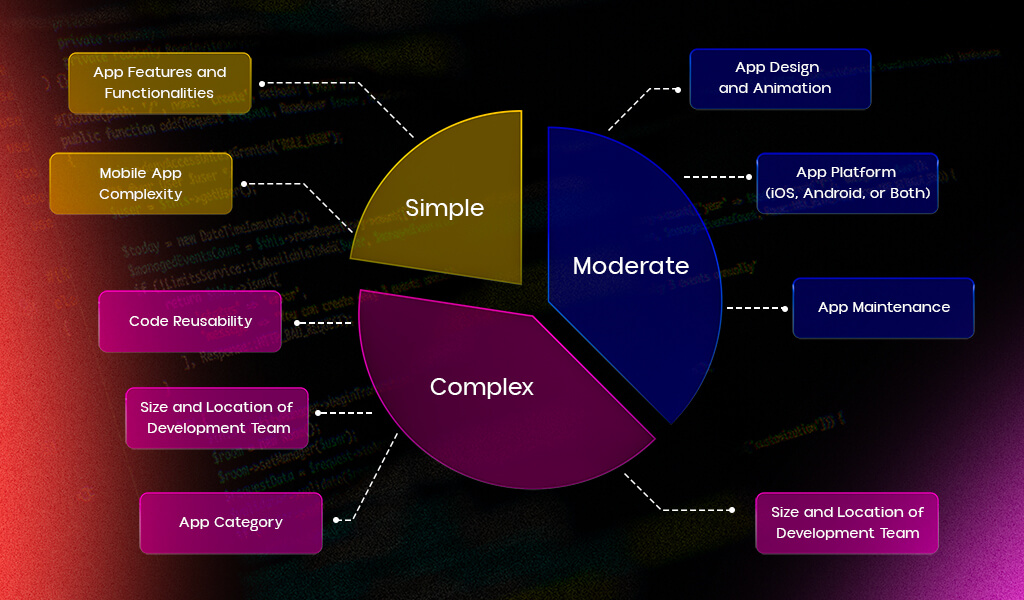
The more complex your app, the more time, resources, and expertise it will demand, leading to higher development costs. Complexity is defined by user roles, backend infrastructure, integrations, real-time features, and custom workflows.
| App Type | Examples | Estimated Cost Range | Development Time |
| Simple | Calculator, To-do list | $10,000 – $30,000 | 1 – 2 months |
| Moderate | eCommerce app, booking app | $30,000 – $80,000 | 3 – 5 months |
| Complex | Social network, FinTech platform | $80,000 – $250,000+ | 6 months or more |
2. App Features and Functionalities
Every feature you add, be it chat, GPS tracking, push notifications, or third-party integration, adds layers of development time and cost. Some features also require higher security and testing.
| Feature | Complexity Level | Impact on Cost | Examples |
| User Login | Low | Low | Email, OTP |
| In-app Chat | Medium | Moderate | Real-time messaging |
| Payment Gateway | High | High | Stripe, Razorpay, PayPal |
| Augmented Reality | Very High | Very High | Virtual try-on, interior design |
3. App Category
The industry your app serves influences design standards, compliance requirements, and feature expectations, ultimately affecting the cost.
| App Category | Compliance Needs | Development Cost | Example Apps |
| Lifestyle | Low | Low – Moderate | Meditation, Fitness |
| Finance | Very High (e.g., KYC, security) | High | Banking, Wallets |
| Healthcare | High (HIPAA, HL7) | High | Telehealth, Health Trackers |
| Gaming | Varies | Moderate – High | Puzzle, Battle Royale |
4. App Design and Animation
Custom UI/UX design and animations can differentiate your app, but also add to the cost due to the time-intensive creative and technical work involved.
| Design Type | Visual Appeal | Cost Impact | Use Case |
| Basic Template | Low | Low | MVPs, internal apps |
| Custom UI/UX | High | Medium – High | B2C apps, eCommerce |
| Advanced Animations | Very High | High | Gaming, EdTech, FinTech |
5. App Platform (iOS, Android, or Both)
Choosing between iOS, Android, or cross-platform development significantly affects the total investment. Targeting multiple platforms natively requires more time and resources.
| Platform | Codebase | Cost Implication | Suitable For |
| iOS | Separate | Moderate | iPhone/iPad user base |
| Android | Separate | Moderate | Wider global device coverage |
| Cross-platform | Shared | Cost-efficient | Faster launch on both platforms |
6. App Maintenance
Post-launch costs for maintenance are often underestimated. Regular updates, OS upgrades, bug fixes, and feature enhancements are essential for performance and user retention.
| Maintenance Activity | Frequency | Estimated Annual Cost | Purpose |
| Bug Fixes | Ongoing | 10–15% of dev cost | Ensure stability |
| Feature Updates | Quarterly/As needed | Varies | Keep the app competitive |
| OS/API Updates | Annually | Moderate | Ensure compatibility |
7. Code Reusability
Reusing code across platforms (via frameworks like React Native or Flutter) can significantly reduce development time and cost without compromising too much on performance.
| Development Approach | Code Reuse Level | Cost Saving | Best For |
| Native | 0% | No | High-performance apps |
| Hybrid (Cordova) | 50–60% | Moderate | Simple utility apps |
| Cross-platform (Flutter, RN) | 80–90% | High | MVPs, startups, and fast launches |
8. Size and Location of Development Team
Team size and geographic location heavily impact pricing. Teams in the US or UK typically charge more than those in India or Eastern Europe, even with similar technical expertise.
| Team Type | Region | Hourly Rate (Avg.) | Communication | Cost Control |
| Freelancers | Global | $15 – $80 | Low – Medium | Low |
| Offshore Agency | India, Ukraine | $20 – $50 | Medium – High | High |
| In-house/Local Team | US, UK | $80 – $250+ | Very High | Low |
Estimate App Development Cost Based on Different Stages
To get the estimated cost of app development, you might have used app development cost calculators on various sites. Or you might have googled the average cost of developing an app. But let’s be honest, no matter how exact the numbers appear to be, they are often misleading. The app development cost depends on features, technology, design, development team location, etc.
So, here in this blog, we will break down the cost structure for app development based on the different stages of mobile app development. This will help you bifurcate the cost of each development phase
Mobile App Development Cost Breakdown for Different Stages

1. Discovery/Strategy Stage
Discovery is the initial stage that includes market research, competitive analysis, MVP planning, and project roadmap creation. This phase sets the foundation of your mobile app development journey and typically takes 10% of the total app budget.
Technologies and Tools Used
- Project Management Tools: Trello, Jira, Asana, ClickUp
- Collaboration Tools: Slack, Microsoft Teams, Notion
- Wireframing Tools: Balsamiq, Figma
- Market Research Tools: Google Trends, Statista, App Annie.
Estimated Cost: $1200 - $11000
Timeline: 2 - 4 weeks
2. Design Stage
This stage focuses on UI/UX design, wireframes, and visual components. It defines the look and feel of your app. A well-designed app interface is the key to user engagement and retention.Technologies and Tools Used
- Wireframing and Prototyping: Figma, Adobe XD, Sketch, InVision
- Graphic Design: Adobe Illustrator, Photoshop, Canva
- UI Kits and Icon Sets: Material Design, iOS Human Interface Guidelines
- User Testing Tools: Maze, UsabilityHub
Estimated Cost: $2500 - $10000
Timeline: 3 - 4 weeks
3. Development Stage
The development stage is the core of app development and includes coding, backend infrastructure, third-party integrations, and feature implementation. The cost in this stage depends on app complexity and whether it is native or cross-platform.
Technologies Used for Frontend Development
- For Native App Development: Swift, Objective-C + Xcode for iOS app development OR Kotlin, Java + Android Studio for Android App Development
- Cross-Platform Frameworks: React Native (JavaScript/TypeScript), Flutter (Dart), Xamarin (C#), Ionic (Angular/React/Vue + Capacitor/Cordova)
Technologies Used for Backend Development
- Programming Languages: NodeJS, Python (Django/Flask), Ruby on Rails, Java (Spring Boot), PHP (Laravel), .NET Core
- Databases: PostgreSQL, MySQL, SQLite, MongoDB, Firebase Realtime Database, Firestore
- API & Services: REST, GraphQL, gRPC
Estimated Cost: $3000 - $60000
Timeline: 2 - 6 months
4. Testing and Deployment Stage
This stage tests your app for bugs and errors and ensures that it is bug-free and ready to release. It involves QA testing, app store deployment, and performance optimization. A well-tested app reduces post-launch issues and increases user satisfaction.
Tools and Technologies Used for Testing & Quality Assurance
- Manual Testing: TestRail, Jira for bug tracking
- Automated Testing: Jest, Mocha, JUnit for unit testing, Espresso, XCTest, Appium for UI Testing, Selenium, Detox for Integration Testing
- CI/CD tools: GitHub Actions, Bitrise, Jenkins, CircleCI
- Tools and Technologies Used for Deployment
- Build Tools: Gradle, Fastlane, XCode Build, Flutter Build
- App Store Platforms: Google Play Console, Apple App Store Connect
- Beta Testing: TestFlight, Firebase App Distribution, Crashlytics.
Estimation Cost: Less Than $5000
Timeline: 2 - 4 weeks
Now that we’ve explored the development process and stages, let’s take a look at how different types of apps impact the overall cost.
Mobile App Development Cost Breakdown Based on Types
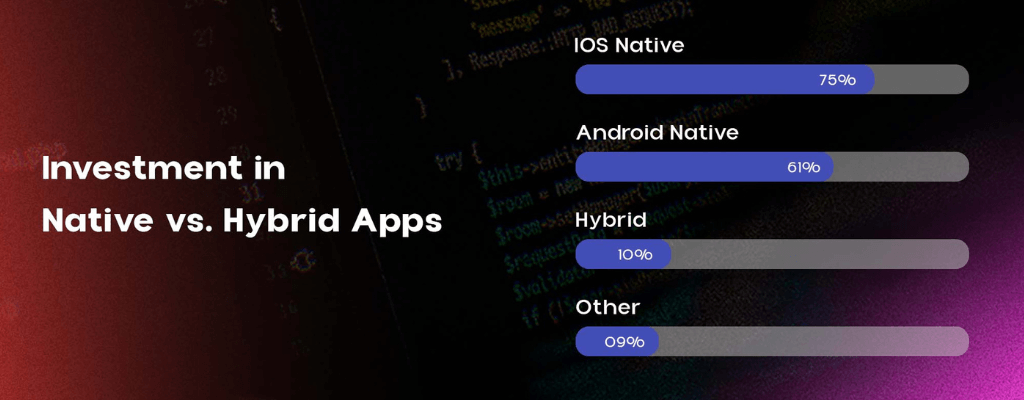
One of the biggest cost drivers in app development is the development platform that you choose. Decide if you want your application on iOS, Android, or both. And, if you want it to be built natively or using a cross-platform framework?
Native App Development
Native apps are developed using platform-specific languages: Swift, Objective-C for iOS, and Java, Kotlin for Android. They offer:
- Superior performance
- Platform optimized UI/UX
- Scalability and better long-term maintainability
However, native mobile app development requires writing separate code for each platform, which doubles the development cost and time.
Estimated Cost of Native App Development: $10,000 - $2,50,000
Cross-Platform (Hybrid) App Development
Cross-platform frameworks such as Flutter or React Native allow developers to write one codebase for both iOS and Android. Its benefits include:
- Faster development and lower upfront cost
- Unified experience across platforms
But they come with some drawbacks as well:
- Slower performance in some cases
- Debugging can be complex at times
- Limited access to some of the native APIs
Estimated Cost of Cross-Platform App Development: $20,000 - $1,50,000
Progressive Web App (PWA) Development
Progressive Web Apps are built using standard web technologies—HTML, CSS, and JavaScript—but offer app-like features such as offline access, push notifications, and home screen installation. PWAs provide:
- Near-native performance and responsiveness
- Offline functionality via service workers
- No need for app store submission or updates
PWAs are highly compatible across devices and platforms, making them cost-effective. However, there are some limitations:
- Limited access to device hardware compared to native apps
- iOS support is still somewhat restricted (e.g., background tasks, push notifications)
- Brand visibility is lower without presence in app stores
Estimated Cost of Progressive Web App Development: $15,000 - $1,00,000
Web App Development
Web apps are accessed through a browser and are designed to be responsive across various devices. They are developed using technologies like HTML5, CSS3, JavaScript, and backend frameworks such as Node.js, Django, or Laravel. Benefits include:
- Easy deployment and updates
- Accessible across all platforms via web browsers
- Cost-efficient and simple to maintain
That said, web apps also have trade-offs:
- No offline access or device-level integration
- Lower performance compared to PWAs or native apps
- Cannot be installed on the device like native apps or PWAs
Estimated Cost of Web App Development: $10,000 - $1,00,000
App Development Costs by Operating System
The overall cost of developing a mobile application largely depends on the platform it's built for, as well as the app’s complexity, features, and developer rates.
iOS App Development
iOS App Development using Swift or Objective-C typically costs between $25,000 and $250,000. Factors affecting cost include the number of features, UI/UX complexity, and whether it's built for iPhone, iPad, or both.
Android App Development
Android App Development using Java or Kotlin generally costs between $20,000 and $250,000+. The open ecosystem of Android means additional effort is often required to optimize across different devices and screen sizes.
Windows App Development
Targeting Windows OS, these apps are usually developed for enterprise or niche markets. Development costs range from $20,000 to $200,000, depending on scope, integrations, and design requirements.
App Development Costs by Technology
Costs also vary based on the technology or framework used to develop the app, especially when considering cross-platform options.
React Native App Development
- React Native allows for one codebase across both iOS and Android.
- React Native app development costs range from $20,000 to $150,000, making it a cost-effective option for startups and businesses seeking faster go-to-market solutions.
Flutter App Development
Flutter app development typically ranges between $15,000 and $200,000, depending on the project’s complexity:
- Basic Flutter App: $8,000 – $60,000
- Medium Complexity: $60,000 – $120,000
- High-End, Feature-Rich App: $140,000 – $200,000
Flutter is ideal for visually rich and high-performance cross-platform apps.
Swift App Development
- Native iOS apps built with Swift offer top-tier performance and integration with Apple’s ecosystem.
- Development costs typically fall between $10,000 and $250,000+, depending on features, integrations, and app complexity.
Hidden Factors Affecting Mobile App Development Pricing
What are the hidden costs in app development? With mobile app development, a few elements with hidden costs come along. Understanding these factors will help you reduce risks, save time, and money. So, let’s understand each factor in detail:
1. Quality Assurance
Based on your app size, you may also need to hire a quality assurance tester and a project manager or project coordinator as well. Also, a business analyst can help you lower development costs and keep the cost within your budget.
2. Infrastructure Costs
The costs of infrastructure include data storage, data delivery, and app hosting-related expenses. All of these increase the cost and complexity of the project. Infrastructure cost item examples include server, data storage, development tools, and libraries.
3. IT Support Costs
A high-quality application cannot be developed without the support of IT services. However, the support costs may increase over time. IT support services include iOS and Android updates, bug fixes, and API maintenance.
4. App Publishing Costs
While developing the app, developers keep in mind the app development requirements. When it comes to the fees to the app store, it is just a minimal amount. While submitting the Android application on the Play Store, you will have to pay a one-time fee of $25. Apple, on the other hand, charges $99 for app submission on the App Store.
If you want to distribute the app exclusively within your organization, you will have to pay $299 every year to join the Apple Developer Enterprise Program and provide your app via App Store. Google Play does not charge for the service.
5. App Security
The app visitors need to trust you with their information. Therefore, you need to have a proper app security plan in place. Consider this point at this initial stage, and include time for testing and security checks in advance. If you do not consider this factor, you may have to invest more in testing later on, which may also cause you financial and reputational losses.
Step-by-Step App Development Process
1. Target Market Research
Before starting to develop a mobile application for your business, you need to conduct thorough research and find out more about the target market. Doing this will help you get a clear idea about the actual market dynamics, consumers' interaction with the brand, leading players, and more. Also, read the user reviews of the top app in the market, which will help you come out with a better idea.
2. The Right Platform Plays a Crucial Role
Your application can be compatible with both the iOS and Android platforms. However, if budget is your concern, you can initially develop on one platform and later boost your service to make the app perform better on another platform.
3. Hire an App Development Company
Hire app development company that can make sure your app includes all the required and latest features and functionalities within the deadline. A mobile app development company has a team of app developers, UI/UX designers, project managers, and market specialists who offer valuable suggestions while considering your vision.
Hiring app developers will give you access to industry expertise and the latest technologies.
4. Build an MVP
Develop an MVP (a minimum viable product) first to validate your app idea without spending much. For a successful MVP, ask your app development company to identify the must-have features and important USPs, and then develop an app accordingly.
5. Test Your App
Testing is yet another crucial process when considering developing a mobile application. Test everything from the app’s performance to consumer experience to content. If you test the app properly, it will help you reduce the development time and cost, identify bugs and errors, and significantly improve your reputation as a service provider.
6. Submit Your App to Stores
Once you are sure about your app’s performance, submit your app on the Google’s Play Store or Apple’s App Store. However, when you are submitting your application on any of the app stores, you need to comply with Apple or Google Developer Guidelines. Also, align your monetization model with their requirements.
7. Launch and Track Performance
After you have submitted your app to the store, make sure to track its performance with the analytical tools implemented during the development phase, introduce updates to increase user engagement, and address users’ requests and concerns.
How Do I Monetize a Mobile App
While there are multiple ways to make money through apps, this section will talk about a few most popular revenue methods that you can opt for to earn more revenue and enhance customer value.
1. Advertising
Advertising is one of the most well-known methods to earn money from an application. In this monetization technique, you can promote your services for third-party clients on your application and get paid in return.
2. Freemium
In this model, users are allowed to access some of the basic app features for free. To use the premium features, users are required to pay a certain amount. Freemium also allows implementing secondary revenue channels, such as in-app advertising.
3. Subscription
In the subscription model, the user is required to buy a subscription to access the features that the app is most famous for. Users can pay for a monthly plan, a yearly plan, or a per-day subscription plan. Major platforms like Google or Apple allow users to manage subscriptions.
4. Sponsorship
In this model, you need to find a sponsor related to your niche and strike up a compensation structure. In return for the compensation, the app could include the sponsor’s brands, monetize its products, or send users to its websites.
How Can I Reduce Mobile App Development Costs
Business owners and entrepreneurs can reduce the cost of app development by following a few industry best practices and applying some useful tricks.
1. Prioritize App Features
While developing a mobile application, it is important to identify and prioritize app features correctly. It is a smart decision to prioritize app functionalities that can drive business value as soon as possible. You can save the desired features for later development stages. Therefore, it is recommended to develop an MVP first.
2. Include Quality Assurance
While developing and testing a mobile application, you might observe some bugs and errors, so you need to address them quickly. It is ideal to involve QA professionals right from the beginning, so you can identify serious problems before the development begins. Doing this can save you a huge amount and time.
3. Plan for the Future
The app that is built today might completely look different in the future. For example, if you build an MVP, you would want to change some of the features as per customer feedback. Your target market might move into a completely new direction, forcing you to change your product.
That is why it is good to keep in mind the short-term and long-term goals while planning to develop an application. It will save a lot of your money in the long run.
4. In-house or Outsourcing
Picking the type of mobile app development staffing organization is a crucial part of your project planning. Your ultimate choice will have an impact on budget expenses, workflow organization, and even the idea of product maintenance. So, the question is really what to pick, outsourcing or in-house development.
Outsourcing refers to the hiring of an already existing team of developers for your project. To outsource the app development process, the IT consulting firm has access to a talent pool to select from. It also enables you to reduce office expenses as well as equipment costs, and reduce internal workflow.
5. Consider Cross-Platform Development
Each business owner, when developing an app, is confronted with a dilemma: whether to develop for Android alone, iOS alone, or both. Developing native apps for both is expensive. If you develop for a single platform, you might be leaving out a significant part of the audience on the other platform.
The ideal solution is to create cross-platform applications that support both platforms. Twitter is a fine example of a cross-platform mobile application. The most popular technologies for building cross-platform applications are Flutter, Unity 3D, and React Native, among others.
Real-World Case Study: How WEDOWEBAPPS Helped iDreamers in Social Media App Transformation
Client: iDreamers
Platform Type: Social Media App
Old Stack: Vue.js (Frontend) + Django (Backend)
New Stack: React Native + Optimized Django + Redis
Challenges Faced
Sluggish Performance: Vue.js struggled with real-time features like reels, chat, and video streaming, especially on low-end devices.
Poor Caching: Inefficient strategies led to repeated data loads and slow media rendering.
Subpar UX: Users experienced delays, inconsistent UI behavior, and limited mobile responsiveness.
Our Solution
We overhauled the tech stack to address these issues:
- Frontend Migration to React Native for native-like performance across Android and iOS.
- Integrated Redis caching,
- Refined API response handling,
- Optimized database queries for speed and scalability.
- Real-Time Chat with WebSockets (instant messaging, read receipts).
- Reels (Short Videos) with preloading, compression & fast playback.
- Audio/Video Calls via WebRTC or Agora SDK.
- Push Notifications using FCM for chats, likes, and call invites.
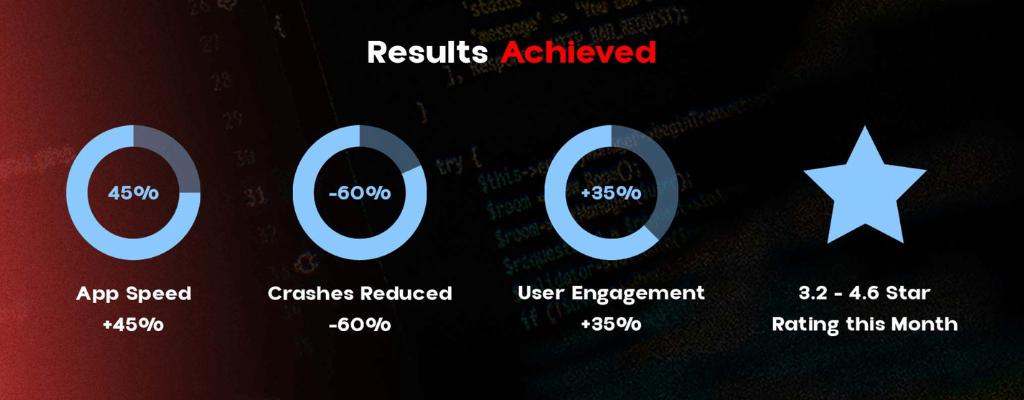 Results Achieved
- App Speed: 45% faster screen load times
- Crashes Reduced: 60% fewer crashes on Android/iOS
- User Engagement: 35% increase in daily active users
- Chat Latency: Reduced to < 150ms in most regions
- App Rating: Improved from 3.2★ to 4.6★ in just 2 months
“The new version feels smooth, responsive, and engaging—just what our users needed. We’ve seen a major spike in retention and positive feedback.”
Whether you are a small to mid-size business or a well-established company looking to revamp your online presence, the experts at WEDOWEBAPPS can provide you with a solution that fits your needs. Want to know how?
How Can WEDOWEBAPPS Help You in Estimating Mobile App Development Cost
So, how much does it cost to make an app? Well, there is no precise prediction for this question. Considering all the above factors, you can come to an estimated cost of mobile app development.
In case you still want precise mobile app development pricing, get in touch with a reliable app development company like WEDOWEBAPPS. Our team of experts is specialised in developing the most feature-rich and scalable mobile applications. We have developed applications for some of the popular brands like LordHair, Bookings Africa, and Credit Sweep.
So, if you are looking for such innovative and feature-rich mobile app development or want an estimated cost of app development, get in touch with our experts.